Thermosyphons for cooling a mountainside: how St. Moritz protects its permafrost

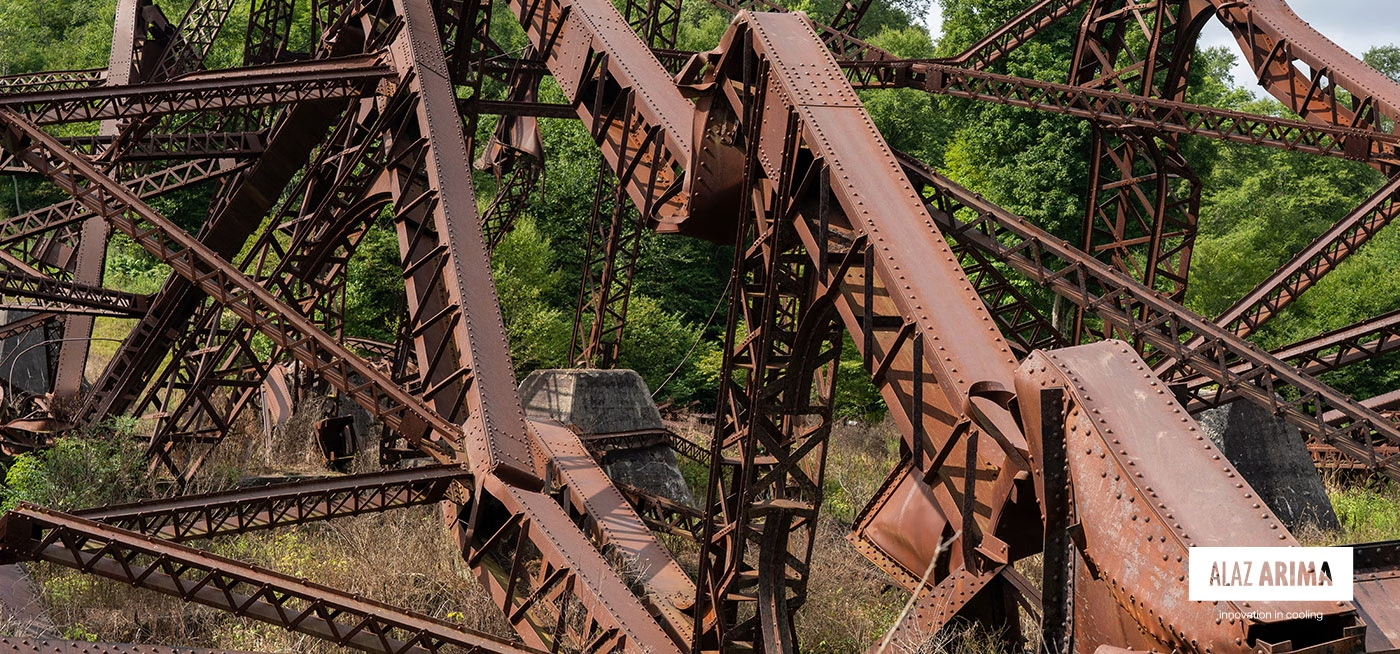
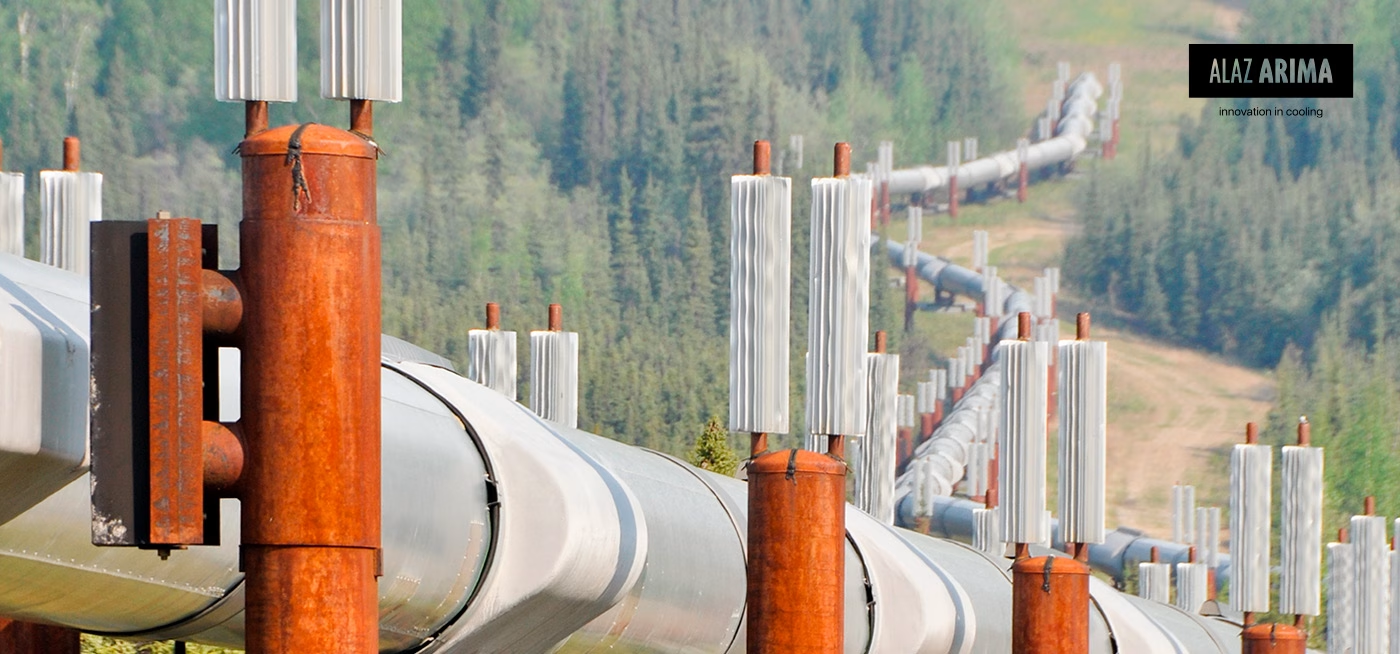
In St. Moritz (Switzerland), engineers have installed thermosyphons to achieve something as remarkable as cooling an entire mountainside.
The objective is to stabilize the permafrost and prevent landslides caused by global warming.
This solution leverages the principles of passive cooling, meaning it operates without external energy input, relying solely on natural thermal equilibrium to maintain ground stability.
🔗 Read the original article on Nevasport

Passive cooling: natural efficiency applied to engineering
At ALAZ ARIMA, we follow the same philosophy, applied to a different field: power electronics and industrial thermal management.
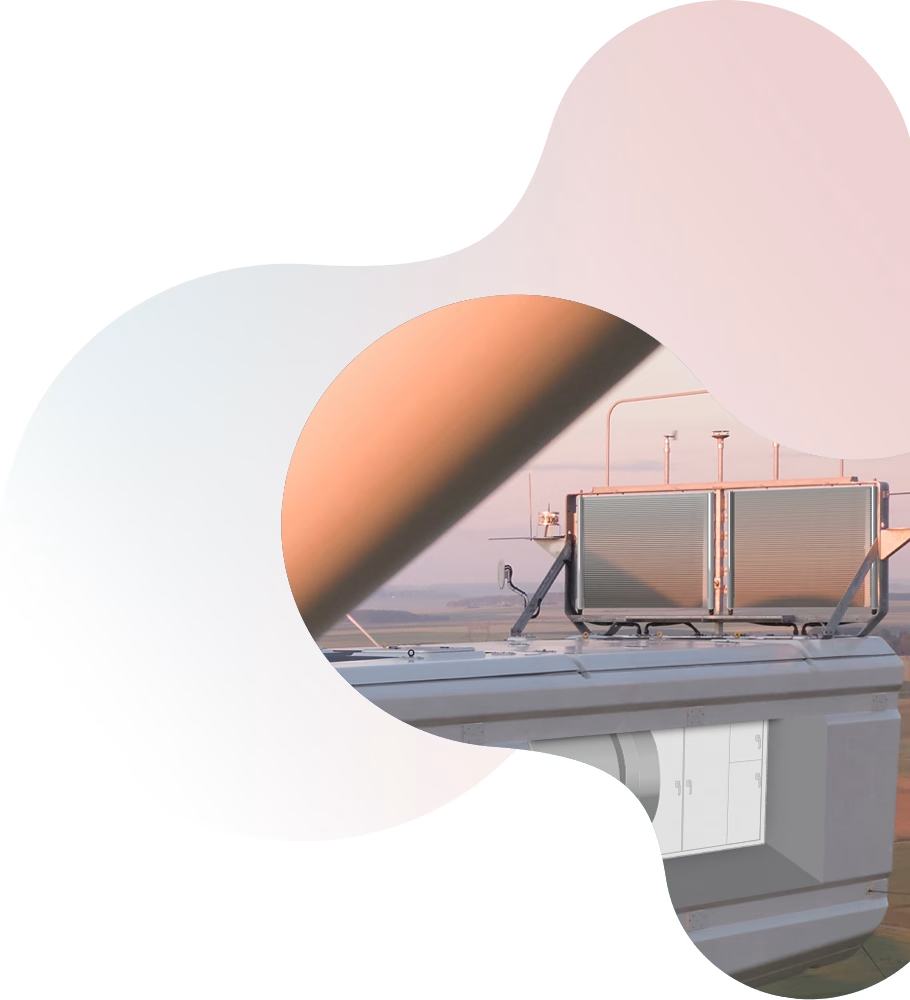
Our high-performance passive cooling systems use phase-change-based technologies, such as thermosyphons, to dissipate heat efficiently, silently, and without maintenance.
These systems enable reliable thermal stability in highly demanding applications such as:
Wind and photovoltaic inverters
Power converters
Electrical machines
High thermal density industrial enclosures
From permafrost to electronics: the same thermal challenge
Although the applications differ, the challenge is the same: controlling temperature to preserve the stability, reliability, and performance of complex systems.
Whether on Alpine mountain slopes or inside a wind turbine inverter, thermosyphons provide a smart and sustainable solution for maintaining temperature control without relying on active systems or additional energy consumption.

Innovating by cooling the future
🌍 At ALAZ ARIMA, we believe that cooling does not mean slowing down progress, but making it more sustainable.
Passive phase-change cooling is a technology that combines advanced engineering with energy efficiency, contributing to a more reliable, sustainable, and maintenance-free future.


Leave a Reply