Reliability and durability are key factors in the design of any cooling system for power electronics. In this regard, thermosyphons stand out as one of the most robust and efficient technologies available, capable of operating for decades without maintenance.
Case study: Trans-Alaska pipeline
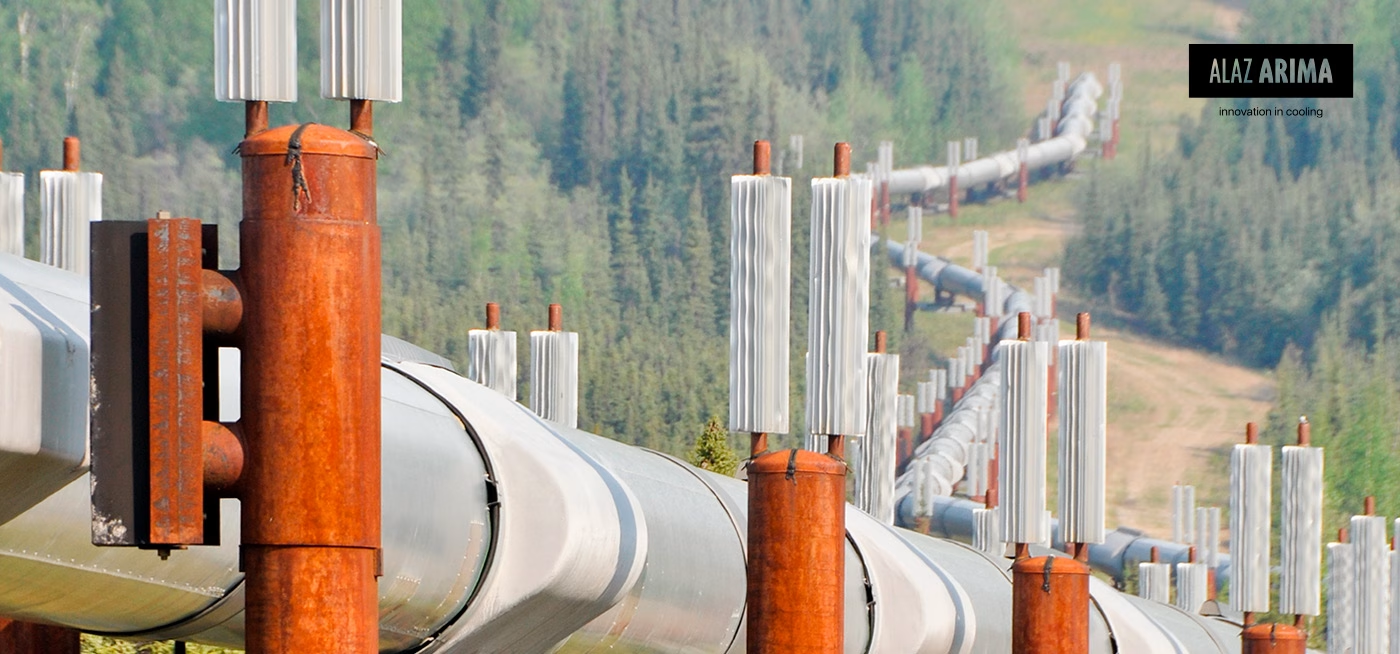
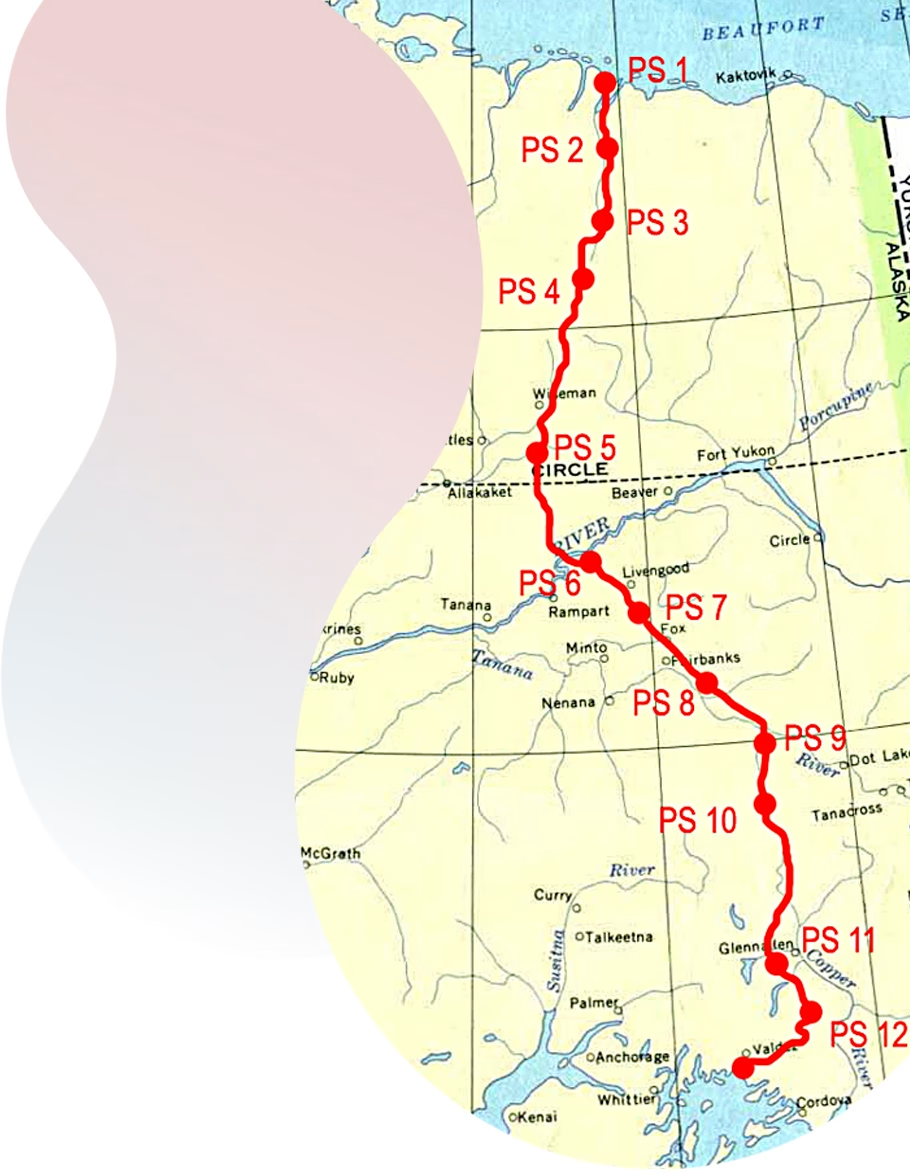
An emblematic example of the use of thermosyphons can be found in the Trans-Alaska Pipeline, one of the world’s largest crude oil transportation infrastructures. This pipeline, which crosses the entire Alaskan peninsula from north to south, faced a complex challenge: permafrost.
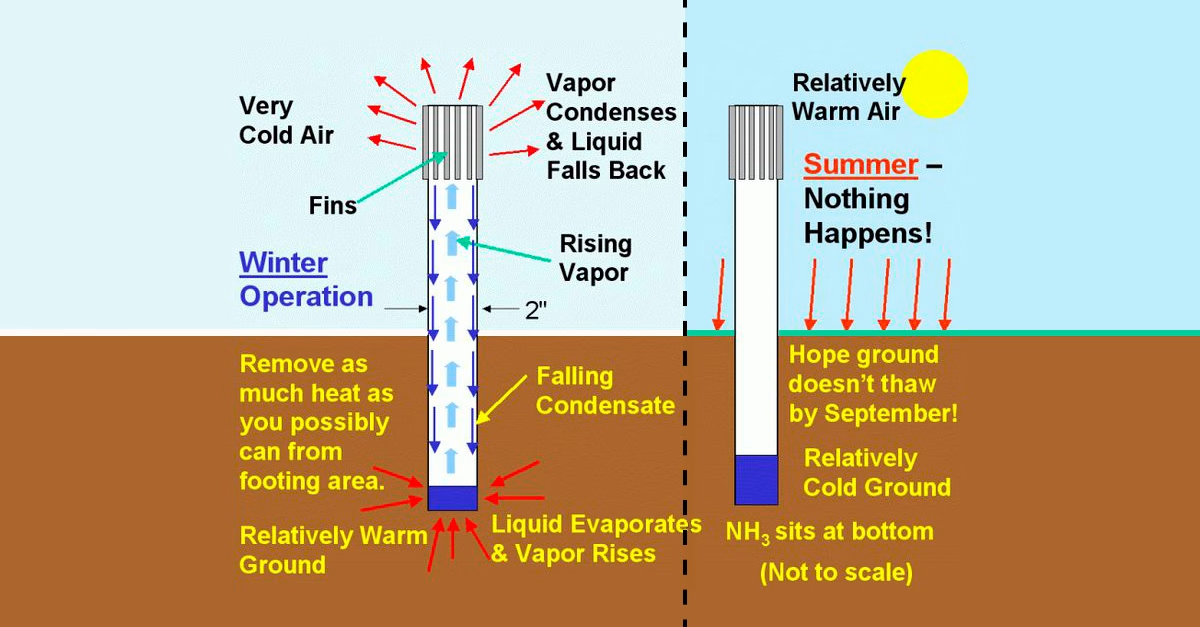
The layers of subterranean ice that characterize Arctic regions tend to melt in summer, which could compromise the stability of the pillars supporting the pipeline. To solve this, engineers from the McDonnell Douglas Corporation and the Alyeska Pipeline Service Company transformed the pillars into thermosyphons.
During winter, when temperatures are extremely low, these devices draw heat from the subsoil, ensuring that the permafrost remains frozen all the year round. In summer, they operate as heat diodes, interrupting the thermal flow and guaranteeing ground stability.
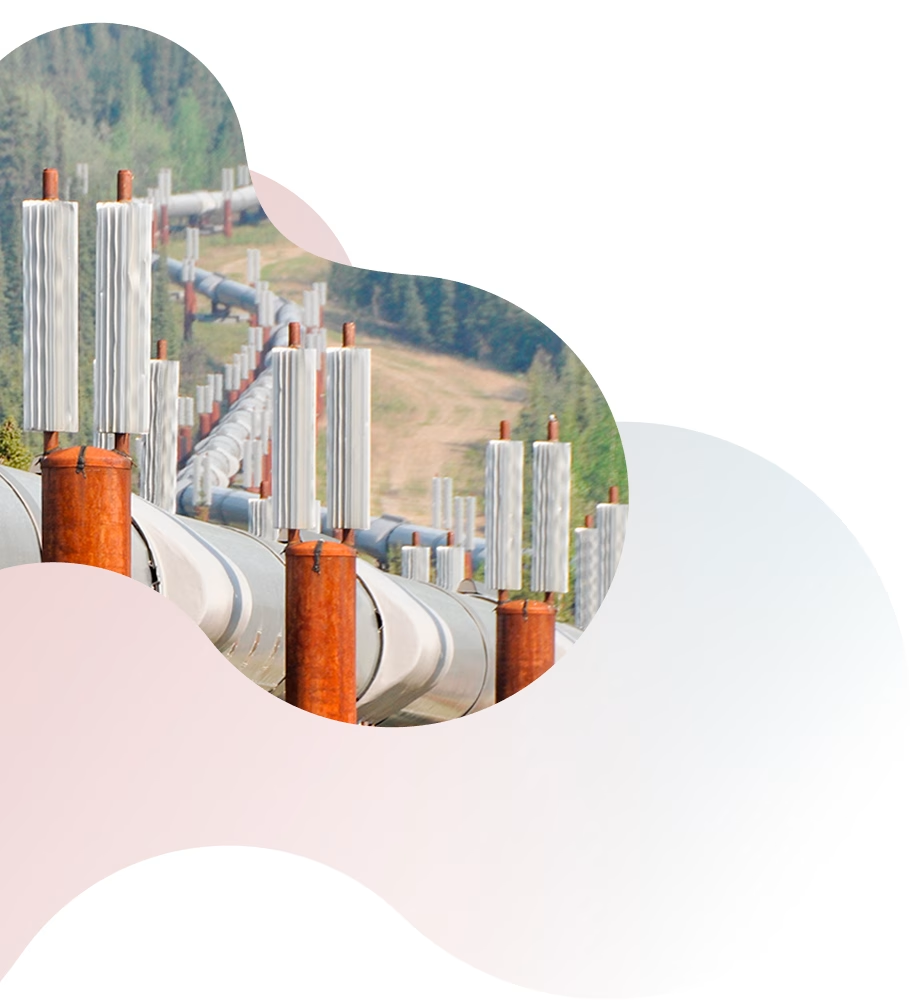
With over 100,000 thermosyphons in operation since the 1970s, the Trans-Alaska Pipeline has demonstrated exceptional reliability. In fact, the few recorded failures were due to external damage, not operational defects.
Applications in power electronics: maximum reliability without maintenance
The same advantages that guarantee the stability of permafrost in Alaska make thermosyphon an ideal technology for cooling power electronics.
At ALAZ ARIMA, we apply this physical principle to the development of passive liquid cooling solutions using phase change technology, designed for components such as IGBTs or SiC MOSFETs. These solutions provide high thermal dissipation capacity with minimal maintenance, extended lifespan, and outstanding reliability even in demanding environments.
Thermosyphons and passive cooling systems are particularly suitable for:
Offshore wind turbine converters
Statcoms and reactive power compensation systems
UPSs and industrial converters
Photovoltaic (PV) inverters
Its use directly contributes to increasing energy efficiency, reducing the risk of failure and minimizing operating costs throughout the equipment’s life cycle.
Long lifespan and reference regulations
Based on this experience, the Canadian standard CAN CSA-S500 “Thermosyphon foundations for buildings in permafrost regions” establishes a standard lifespan of 25 to 30 years for thermosyphons, even under extreme environmental conditions.
This durability is due to their passive design, with no moving parts or need for electrical power, which eliminates failure modes associated with mechanical or electrical components.
Conclusion: reliability and efficiency, the basis of the energy future
At ALAZ ARIMA, we develop advanced thermal solutions for high-performance power electronics, based on proven physical principles and high-efficiency technologies such as thermosyphons.
Our goal is to offer reliable, sustainable, and maintenance free passive cooling systems that guarantee maximum performance and the longest possible lifespan.







Leave a Reply