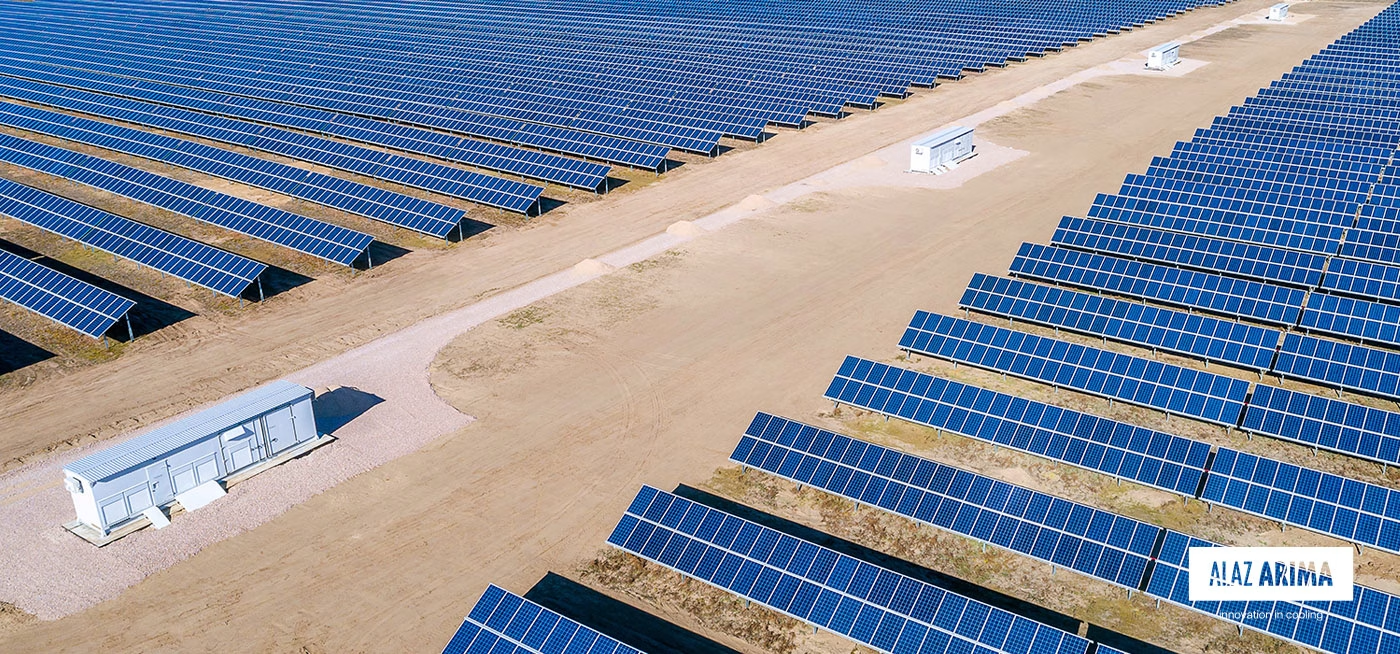
Selecting the right photovoltaic inverter is one of the most important decisions in the design of a photovoltaic solar plant. Beyond cost or nominal efficiency, there are critical factors —such as reliability and the cooling system of the power electronics (IGBTs)— that can have a direct impact on both energy performance and system availability.
Cost and reliability: the role of cooling in photovoltaic inverters
The reliability of an inverter is closely linked to the thermal management of its internal components. In many traditional designs, active liquid cooling systems use water or glycol recirculation pumps, and in some cases, heating elements to prevent condensation. However, these elements increase auxiliary energy consumption and necessitate oversizing the plant’s auxiliary services transformer, with increases of several tens of kW.
On the other hand, deratings or power limitations due to high temperatures can reduce system efficiency, requiring the installation of more inverters than strictly necessary to comply with current regulatory requirements and grid codes.
Optimize space and efficiency with passive liquid cooling
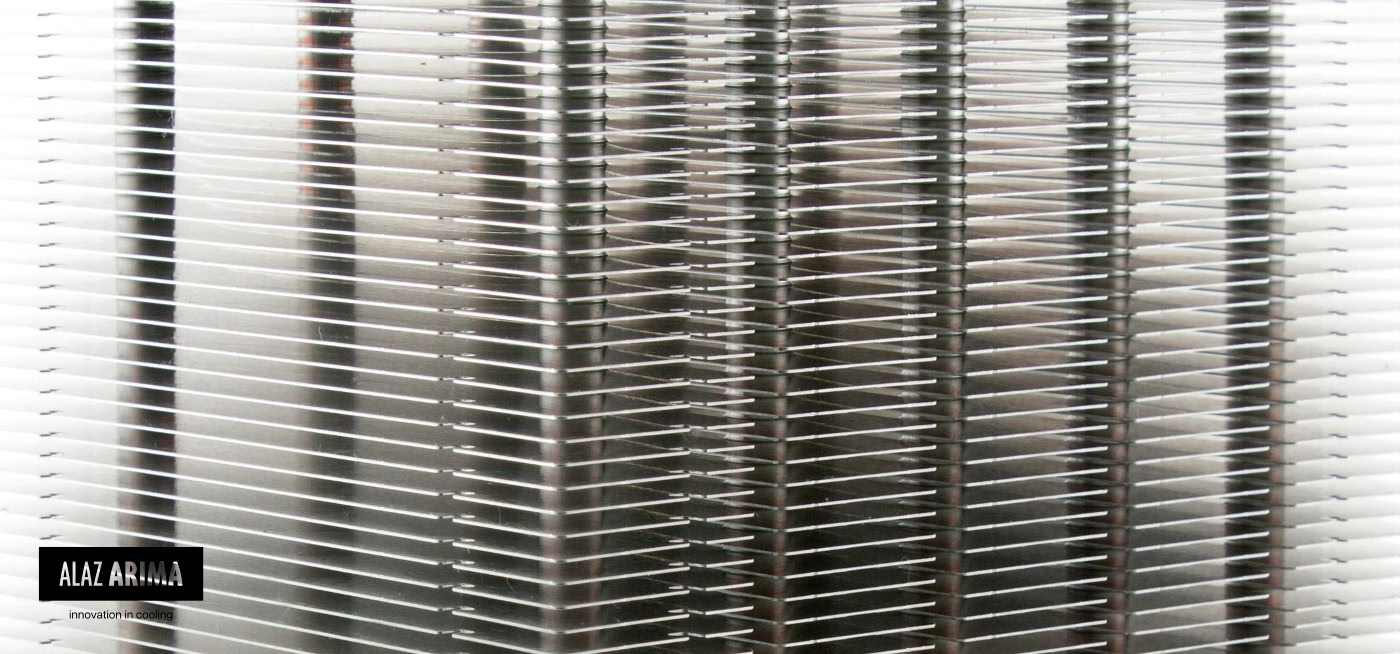
Passive liquid cooling solutions, based on thermosyphons and phase change, offer an innovative alternative for optimizing the thermal design of photovoltaic inverters. These systems utilize the evaporation and condensation of a fluid to dissipate heat without the need for pumping or electrical consumption.
Thanks to their behavior as heat diodes, these systems eliminate the need for heating elements by preventing condensation. Furthermore, their low thermal resistance at high temperatures reduces or even eliminates deratings, ensuring consistent performance even under demanding environmental conditions.
Benefits of thermosyphons in photovoltaic inverters
Implementing passive liquid cooling systems with thermosyphons offers attractive advantages in the design of photovoltaic solar plants:
Lower electrical consumption by eliminating pumps and heating elements.
Greater reliability by reducing the number of moving components.
More compact and efficient designs, optimizing space.
Reduction of maintenance and operating costs.
Greater availability and sustained energy performance over time.
Conclusion: Efficiency and reliability for a sustainable solar future
At ALAZ ARIMA, we develop high-efficiency passive cooling solutions for the power electronics of photovoltaic inverters.
Our technologies, based on phase change, allow us to increase system reliability, reduce auxiliary energy consumption, and maximize thermal performance, helping photovoltaic solar plant manufacturers and designers optimize their projects from the ground up.







Leave a Reply